)
)
Best Freehold Areas in Dubai for Foreign Property Buyers
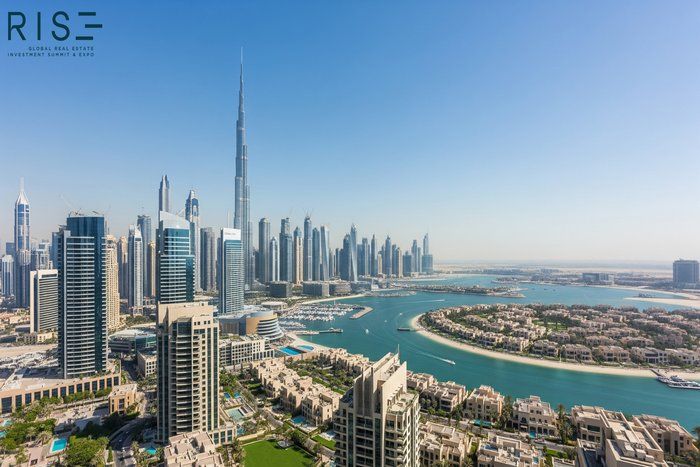
Everyone says Dubai property is a goldmine for foreign investors. That advice gets repeated so often that it starts sounding hollow. The truth is more nuanced. Not every freehold area in Dubai delivers the same returns, and picking the wrong one can tie up capital for years with minimal appreciation. The real skill lies in matching investment goals with the right neighbourhood. This guide breaks down the best freehold areas in Dubai for foreign buyers, walks through how to buy freehold property in Dubai, and explains the residency perks that sweeten the deal.
Top Freehold Areas for Foreign Property Buyers
The list of freehold areas in Dubai keeps expanding, but not all zones deserve equal attention. Here's where serious buyers should focus.
Downtown Dubai - Premium Investment Hub
Downtown is the postcard view of Dubai. The Burj Khalifa, Dubai Mall, and a constant stream of tourists create sustained rental demand. Properties here command premium prices, but they also attract high-net-worth tenants willing to pay top dirham. Its basically the flagship address for anyone wanting prestige alongside investment returns. Expect lower rental yields (around 4-5%) but strong capital appreciation.
Palm Jumeirah - Waterfront Luxury Living
The Palm needs no introduction. Waterfront villas and apartments here represent the pinnacle of Dubai freehold property for sale. The catch? Entry prices are steep, and service charges can bite. But for buyers seeking lifestyle and long-term value storage, nothing quite matches waking up to that crescent view.
Dubai Marina - High-Yield Investment Zone
Dubai Marina offers something Downtown struggles to match. Higher rental yields. The dense tower clusters, marina promenade, and proximity to JBR beach attract young professionals and short-term renters alike. A one-bedroom here generates yields pushing 6-7%. It's crowded, yes. But crowded means demand.
Business Bay - Commercial and Residential Mix
Business Bay sits in Downtown's shadow, literally and figuratively. That's actually an advantage. Similar location benefits, lower price points. The area has matured significantly, with completed infrastructure and established retail. For buyers wanting the Downtown feel without the Downtown premium, this is the play.
Dubai Hills Estate - Family-Oriented Community
Dubai Hills is what happens when master planning works. Golf course, parks, schools, malls. All interconnected. Families relocating to Dubai often land here because it offers space without sacrificing connectivity. The villas and townhouses suit end-users, but investors benefit from consistent appreciation driven by genuine lifestyle demand.
Jumeirah Village Circle - Budget-Friendly Options
JVC gets overlooked by flashier addresses. That's a mistake. For budget-conscious investors, this area delivers some of the best yield-to-price ratios across freehold areas in Dubai. Studios and one-beds here attract Dubai's vast young professional population. Rental yields can hit 8%. The trade-off is less prestige, but capital flows where returns are.
Arabian Ranches - Villa Community Investment
Arabian Ranches proves that suburban Dubai exists. Large villa plots, mature landscaping, and a genuine community feel distinguish this area. It's not for yield-seekers. Its for buyers wanting stable, family-oriented tenants on longer leases. Vacancy rates stay low because tenants stick around.
International City - Affordable Entry Point
International City is the entry-level option. Prices here are the lowest among established freehold zones. Yields look attractive on paper, but factor in tenant turnover and maintenance. It serves first-time investors testing Dubai waters without major capital commitment.
Dubai Property Purchase Process for Foreigners
Buying property in Dubai isn't complicated. But getting the sequence wrong creates headaches.
Legal Documentation Requirements
Foreign buyers need surprisingly little paperwork. A valid passport is the primary requirement. No UAE residency visa necessary. If financing through a local bank, expect requests for income proof and bank statements. The streamlined requirements make Dubai remarkably accessible.
Step-by-Step Buying Procedure
The process flows predictably once the right property appears:
- Sign a Memorandum of Understanding (MOU) with the seller
- Pay a deposit (typically 10%)
- Obtain a No Objection Certificate from the developer
- Complete transfer at the Dubai Land Department
Sounds simple, right? It mostly is. The friction points emerge when buyers skip due diligence on title deeds or miss service charge arrears.
Dubai Land Department Registration
The DLD handles all property registration. This isn't optional. Every transaction must be recorded, and buyers receive a title deed upon completion. The process takes roughly one to two weeks if documentation is complete.
Associated Costs and Transfer Fees
Budget for more than just the purchase price:
|
Cost Type |
Amount |
|
DLD Transfer Fee |
4% of purchase price |
|
Agency Commission |
2% of purchase price |
|
NOC Fee |
AED 500-5,000 |
|
Trustee Office Fee |
AED 4,000-5,000 |
That 4% DLD fee catches some buyers off guard. Factor it into budget calculations from day one.
Mortgage Options for Foreign Buyers
UAE banks lend to non-residents, though terms differ from resident offerings. Expect LTV (loan-to-value) ratios around 50-60% for non-residents versus 75-80% for residents. Interest rates vary by bank and market conditions, but competition keeps them reasonable.
Visa and Residency Benefits Through Property Investment
Property ownership in Dubai unlocks residency pathways. This is where the investment thesis gets genuinely compelling.
2-Year Investor Visa Requirements
Own property worth AED 750,000 or more and qualify for a renewable two-year residence visa. This allows UAE living, bank account access, and the ability to sponsor dependents. For many buyers, this baseline visa provides sufficient flexibility.
Golden Visa Through Property Investment
The Golden Visa changed everything. Buy property worth AED 2 million or above, and secure a ten-year renewable residency. No sponsor required. The visa persists even while residing outside the UAE. For global investors, this long-term stability matters enormously.
Family Sponsorship Options
Both visa categories allow sponsoring spouses and children. The Golden Visa extends sponsorship to domestic staff as well. Building a Dubai base for the whole family becomes straightforward once property ownership is established.
Long-Term Residency Advantages
Beyond the obvious living benefits, UAE residency offers:
- Zero personal income tax
- Access to world-class healthcare and education
- Gateway location between East and West
- Political and economic stability
Thinking about Dubai property purely as an investment misses half the picture. The residency angle transforms the equation entirely.
Making Your Dubai Property Investment Decision
Choosing between freehold areas in Dubai comes down to matching priorities. Want yield? Look at JVC or Dubai Marina. Want prestige? Downtown or Palm Jumeirah. Want family-friendly long-term holds? Dubai Hills or Arabian Ranches. The single most frustrating part of this market is watching buyers chase the wrong metric. Yield-seekers buying Downtown, prestige-seekers buying International City. The mismatch creates disappointment.
Here's the honest advice. Pick the metric that matters most to your situation. Then select from areas optimised for that metric. Don't compromise in the middle. Dubai rewards clarity of purpose.
Frequently Asked Questions
What is the minimum property value required for foreign ownership in Dubai freehold areas?
No minimum value exists for purchasing freehold property as a foreigner. However, obtaining a two-year investor visa requires property worth AED 750,000, and the Golden Visa requires AED 2 million.
Can foreign property owners rent out their Dubai properties after purchase?
Absolutely. Foreign owners have full rights to rent properties on short-term or long-term bases. Owners must register with RERA (Real Estate Regulatory Agency) and obtain an Ejari tenancy contract for rentals.
How long does the property transfer process take in Dubai for foreign buyers?
With complete documentation, transfers complete within one to two weeks. Delays typically stem from missing NOCs or incomplete seller paperwork rather than buyer issues.
Do foreign property owners need UAE residency before buying freehold property?
No. Foreign buyers can purchase freehold property without any prior UAE visa or residency. The property itself can then be used to obtain residency.
What happens to the Golden Visa if I sell my Dubai property?
Selling the qualifying property means losing the basis for the visa. However, reinvesting in another qualifying property (AED 2 million+) allows visa continuation. Buyers should plan exit strategies carefully.
)