)
)
Key Insights into the Dubai 2040 Urban Master Plan
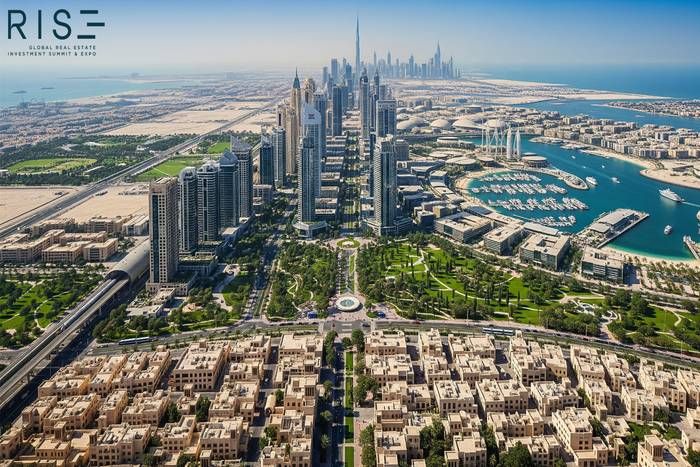
Urban master plans usually read like promotional brochures. Full of glossy renders and vague promises about "world-class infrastructure" and "sustainable living." The Dubai 2040 Urban Master Plan breaks from that pattern. Its actually one of the more practical frameworks to emerge from the region in recent years. The document sets concrete targets, identifies specific zones, and ties everything back to measurable outcomes. For anyone watching how cities will evolve over the next two decades, this plan offers a useful case study in ambitious yet grounded urban planning.
Key objectives of Dubai 2040 Urban Master Plan
The Dubai 2040 development goals centre on five interconnected pillars. The first focuses on creating compact, connected urban centres rather than sprawling development. The second prioritises sustainability and environmental preservation. Third comes the integration of housing, work, and leisure within walkable distances. Fourth is the enhancement of public transport networks. Fifth involves doubling green and recreational spaces.
What drives me crazy about most urban plans is how they treat everything as equally important. But here is the reality. The only objective that genuinely matters is the first one - creating those compact, connected centres. Get that wrong and everything else crumbles. You cannot have effective public transport without density. You cannot achieve sustainability goals when residents must drive forty minutes to reach basic amenities.
The plan targets a population of 5.8 million residents by 2040. It aims to concentrate 60% of this population within the five designated urban centres. This represents a significant shift from the car-dependent suburban model that characterised Dubai's earlier growth phases.
Five Urban Development Centres Driving Dubai's Transformation
1. Deira and Bur Dubai Historic District
This represents the cultural heart of Dubai urban planning initiatives. The historic district will see careful restoration and adaptive reuse of heritage buildings. Think of it like restoring an old family photograph - you enhance what matters while removing the damage. The area will accommodate mixed-use developments that respect traditional architecture while providing modern amenities. Residential capacity will expand significantly while maintaining the neighbourhood's distinctive character.
2. Downtown Dubai and Business Bay Financial Hub
The commercial spine of the city receives substantial investment under Dubai 2040 infrastructure projects. The area will see enhanced pedestrian connectivity between existing towers and new developments. Underground parking facilities will replace surface lots, freeing space for public plazas and green corridors. The focus shifts from vertical expansion to horizontal integration. Buildings will connect at ground level through landscaped walkways.
3. Dubai Marina and JBR Tourism Centre
Beach expansion and enhanced public access define this zone's transformation. The waterfront promenade will extend considerably, linking previously disconnected stretches of coastline. New ferry connections will reduce road traffic. But here is the abrupt truth. Tourism centres only succeed when residents want to live there too. The plan addresses this by adding community facilities, schools, and healthcare clinics alongside hospitality developments.
4. Expo City Dubai Innovation Gateway
The former Expo 2020 site transforms into a permanent innovation district. Dubai 2040 sustainability plans feature prominently here, with the district targeting net-zero carbon emissions. Research institutions, technology companies, and educational facilities will cluster around the retained Expo pavilions. The existing metro connection provides a foundation for transit-oriented development. This zone exemplifies how temporary events can catalyse permanent urban transformation.
5. Dubai Silicon Oasis Technology Centre
This established technology park receives expanded boundaries and improved connectivity under the master plan. Dubai 2040 housing projects within this zone prioritise affordable options for technology workers. The area will integrate more closely with surrounding residential communities through new transport links. Sounds simple, right? The challenge lies in balancing commercial expansion with neighbourhood character.
Infrastructure and Mobility Initiatives Reshaping Connectivity
Dubai Metro Blue Line and Network Expansion
The metro network will extend significantly, with the new Blue Line connecting Dubai International Airport to Expo City Dubai. Additional stations will reduce average walking distances to metro access points. The target is ensuring 80% of residents live within 400 metres of a public transport link. The week after they announced the Blue Line route, property enquiries along the corridor spiked noticeably. That's when the market understood where growth would concentrate.
Transit-Oriented Development Zones
TOD - transit-oriented development - represents the planning philosophy where high-density mixed-use buildings cluster around transport nodes. Each major metro station becomes the nucleus for residential and commercial development. The model reduces car dependency by design. Parking ratios decrease in these zones while cycle storage and pedestrian facilities increase.
Dubai Walk and Pedestrian Pathways
A network of shaded pedestrian routes will connect major destinations across the city. The Dubai Walk initiative addresses the single most frustrating reality of current urban design here - the difficulty of walking between adjacent buildings. Air-conditioned bridges, underground passages, and extensively landscaped surface paths will create continuous pedestrian networks. The sensory experience matters. Imagine walking from your apartment to a metro station under continuous shade, hearing fountains rather than traffic.
Smart Transportation Integration
The plan incorporates provisions for autonomous vehicles and integrated mobility platforms. Smart transportation integration connects buses, metro, water transport, and ride-sharing into unified journey planning. A single digital platform will enable seamless transfers across all transport modes. Payment systems will unify across providers.
Sustainability and Environmental Transformation Programmes
Doubling Green Spaces and Public Parks
The plan targets increasing green and recreational areas from 3,000 hectares to over 6,000 hectares. This translates to approximately 105 square metres of green space per capita. New neighbourhood parks will ensure all residents live within walking distance of open space.
Dubai Green Spine Corridor Project
A continuous green corridor will run through the city, connecting major parks and nature reserves. This linear park system functions as both recreational space and ecological corridor. The project integrates cycling paths, running tracks, and outdoor fitness facilities along its length.
Nature Reserves and Protected Areas
Protected natural areas will expand to cover 60% of the emirate's total land area. Existing reserves receive enhanced protection while new areas receive designation. The coastal and desert ecosystems receive particular attention under these environmental programmes.
Beach Expansion and Waterfront Development
Public beach access will increase by 400% under the master plan. Currently restricted stretches of coastline will open for public use. The waterfront development programme balances recreational access with environmental protection of marine habitats.
Conclusion
The Dubai 2040 Urban Master Plan represents a comprehensive approach to city building. The five urban centres provide focus for development. The infrastructure investments enable sustainable mobility. The environmental programmes ensure liveability. The integration of these elements determines whether Dubai achieves its ambitious targets. For property investors, business planners, and residents alike, understanding these developments provides essential context for long-term decisions. The plan offers a framework. Its execution over the coming decades will determine its ultimate success.
Frequently Asked Questions
What are the population targets for Dubai 2040 Urban Master Plan?
The plan targets a population of 5.8 million residents by 2040, with 60% concentrated within the five designated urban development centres.
How will the Dubai 2040 plan address housing requirements?
Dubai 2040 housing projects emphasise mixed-income developments within transit-oriented zones. The plan increases residential land allocation by 25% while focusing density around public transport nodes.
What percentage of Dubai will comprise green spaces by 2040?
Green and recreational areas will double to cover approximately 6,000 hectares, providing around 105 square metres of green space per capita across the emirate.
Which metro lines are included in the Dubai 2040 infrastructure projects?
The plan includes the new Blue Line connecting Dubai International Airport to Expo City Dubai, extensions to existing Red and Green lines, and additional feeder routes throughout the five urban centres.
How does Dubai 2040 support the 20-minute city concept?
The 20-minute city concept ensures residents can access work, education, healthcare, and recreation within a twenty-minute journey by foot, cycle, or public transport. The plan achieves this through compact development zones and integrated transport networks.
)