)
)
How Technology Has Changed the Real Estate Industry in the UAE?
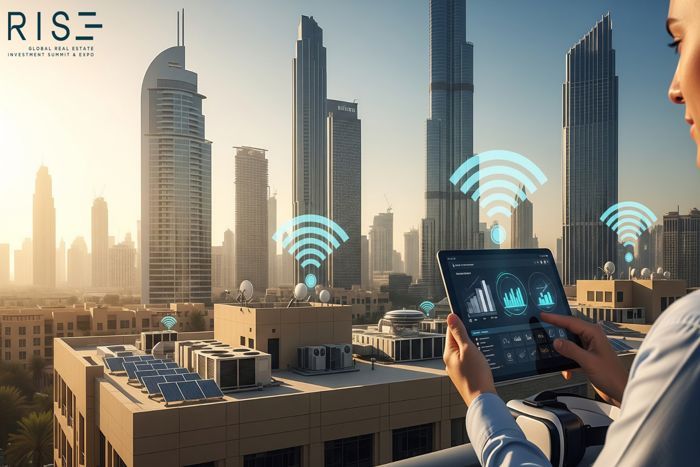
For years, the conventional wisdom held that property success in the UAE came down to three things: location, location, and location. That advice is not just incomplete anymore - it misses the point entirely. The real game-changer now? The digital infrastructure underpinning every transaction, every valuation, every building management decision. Understanding how technology has changed the real estate industry here is no longer optional; its basically the difference between thriving and being left behind in one of the world's most competitive markets.
Key Technologies Transforming UAE Real Estate
AI-Powered Property Valuation and Analytics Platforms
I remember spending hours poring over comparable sales data, trying to arrive at a reasonable property estimate. That manual slog feels almost quaint now. Modern AI-powered platforms can analyse thousands of data points - rental yields, neighbourhood trends, building age, even nearby infrastructure projects - and deliver valuations in seconds. These systems learn continuously. They get sharper with each transaction they process.
The beauty of these proptech innovations lies in their objectivity. Emotional pricing and guesswork become less of a factor when algorithms ground the conversation in actual market behaviour.
Blockchain-Enabled Smart Contracts and Property Transactions
What drives me crazy is how property transactions used to drag on for weeks because of paperwork bottlenecks. Blockchain has fundamentally altered that equation. Smart contracts execute automatically once conditions are met - no chasing signatures, no intermediary delays.
In Dubai specifically, the Land Department has embraced blockchain to register transactions immutably. This creates an unalterable record of ownership history. Fraud becomes exponentially harder when every transfer lives on a distributed ledger.
Virtual Reality Tours and Augmented Reality Property Viewing
Picture an investor sitting in London, walking through a penthouse in Downtown Dubai without leaving their desk. That is the reality now. VR tours let potential buyers inspect every corner of a property remotely. Its not just convenience - its accessibility that simply did not exist before.
Augmented reality takes this further. Prospective owners can visualise how their furniture would look in a space or see proposed renovations overlaid on existing structures. The technology removes guesswork from major financial decisions.
IoT Smart Building Management Systems
The phrase "smart building" gets thrown around loosely. But genuine IoT integration means sensors monitoring everything from elevator performance to water pressure in real-time. These systems communicate constantly, flagging anomalies before they become expensive problems.
Honestly, the only metric that really matters here is operational efficiency. Buildings with sophisticated IoT infrastructure typically see significant reductions in utility costs. That directly impacts net yields for investors.
Digital Twin Technology and Predictive Maintenance Solutions
A digital twin is essentially a virtual replica of a physical building. Every system, every pipe, every electrical circuit mirrored in software. This allows facility managers to simulate scenarios - what happens if the HVAC load doubles during summer peaks? - without risking actual equipment.
Predictive maintenance solutions analyse patterns from these twins to anticipate failures. Replace a component before it breaks, not after it floods a floor. The cost savings compound dramatically over a building's lifecycle.
Impact on Property Transactions and Investment
Instant Property Valuations Through AI Algorithms
Speed matters in competitive markets. Instant valuations mean buyers can move decisively on opportunities. Sellers gain realistic pricing expectations before even listing. The negotiation dance becomes more efficient because both parties start from data-grounded positions.
But what does this actually mean for typical transactions? Reduced time-to-close. Fewer deals collapsing over price disagreements discovered late in the process.
Blockchain-Based Fractional Ownership and Tokenisation
Tokenisation sounds complicated. Its basically dividing property ownership into digital tokens that can be bought and sold like shares. This opens real estate investment to people who could never afford an entire unit but can invest smaller amounts.
The implications are significant. Liquidity improves because tokens trade more easily than whole properties. Diversification becomes simpler - own pieces of multiple buildings rather than concentrating risk in one asset.
Automated Documentation and Smart Contract Execution
The paperwork burden in property transactions has always been absurd. Contracts, disclosures, title documents, mortgage papers - stacks of them requiring signatures and stamps. Automation handles much of this now. Documents populate automatically from verified data sources. Smart contracts trigger the next step in the process without human intervention.
The real change was the sound in the process. You stopped hearing the shuffle of papers being couriered between offices and started hearing notification pings as each milestone completed automatically.
Cross-Border Investment Facilitation Through Digital Platforms
Real estate digital platforms have demolished geographical barriers. An investor in Singapore can research, evaluate and purchase UAE property entirely online. Currency conversion, compliance checks and document verification all happen digitally.
This has expanded the buyer pool substantially. International capital flows more freely into the UAE market precisely because the friction of cross-border transactions has decreased so dramatically.
Smart Building Integration and Property Management
IoT Sensors for Energy and Water Conservation
Sustainability is not just regulatory compliance - its become a selling point. IoT sensors track consumption patterns granularly. They identify wastage that human observation would miss. A minor leak detected early saves thousands in water bills and potential damage repair.
Buildings equipped with these systems command premium rents. Tenants increasingly factor sustainability credentials into their leasing decisions.
AI-Driven Predictive Maintenance and Cost Reduction
Reactive maintenance is expensive maintenance. Waiting for equipment to fail means emergency repairs, tenant disruption and premium contractor rates. AI analyses sensor data and equipment histories to predict optimal maintenance windows.
Schedule repairs during low-occupancy periods. Order parts before they become urgent. The savings accumulate quietly but substantially over time.
Automated Climate Control and Security Systems
In a climate where air conditioning runs constantly, automated HVAC optimisation is not a luxury. These systems adjust based on occupancy, outdoor temperature and even time of day. Empty floors get minimal cooling. Common areas adjust based on actual foot traffic.
Security automation goes beyond cameras. Access control systems log entry and exit patterns and flag anomalies. Integration with emergency services accelerates response times during incidents.
Real-Time Building Performance Monitoring Dashboards
Property managers now have command centres - dashboards displaying every critical metric across their portfolios. Energy consumption, maintenance tickets, tenant complaints, lease expirations. Everything visible at a glance.
Sounds simple, right? The power lies in the aggregation. Patterns emerge across buildings that individual site managers might miss. Portfolio-wide optimisation becomes possible.
Conclusion
How technology has changed the real estate industry in the UAE represents more than incremental improvement. Its a fundamental restructuring of how property is valued, transacted, managed and experienced. Proptech innovations have compressed timescales, expanded access and introduced precision that manual processes could never achieve. Real estate digital platforms now connect global capital with local opportunities seamlessly.
The buildings themselves have become intelligent participants in their own management. Those who embrace this technological foundation position themselves advantageously. Those who resist it will find the market increasingly difficult to compete in.
Frequently Asked Questions
What is the current market size of PropTech in the UAE?
The UAE PropTech sector has grown substantially, with estimates placing the market in the hundreds of millions of dollars and expanding rapidly as adoption accelerates across developers and property managers alike.
How has blockchain technology improved property transactions in Dubai?
Dubai Land Department's blockchain integration has created tamper-proof transaction records, reduced processing times significantly and established a transparent ownership registry accessible to all parties involved.
Which UAE developments showcase the best smart building technologies?
Developments in Dubai Marina, Downtown Dubai and newer communities like Dubai Hills Estate feature comprehensive IoT integration, automated building management and advanced sustainability systems.
What ROI can investors expect from smart technology-enabled properties?
Smart buildings typically see operational cost reductions of 15-25% through energy efficiency and predictive maintenance, directly improving net yields compared to conventional properties.
How do virtual property tours benefit international investors?
VR tours enable comprehensive property inspection without travel costs, allow comparison of multiple properties quickly and accelerate decision-making for buyers unable to visit physically.
What government initiatives support PropTech adoption in the UAE?
Dubai's Real Estate Regulatory Agency actively promotes digital transformation, and free zone initiatives provide incentives for PropTech startups establishing operations in the emirate.
)