FEBRUARY 24, 2026
The Rise of Experience-Driven Real Estate and Its Impact on Global Mixed-Use Developments
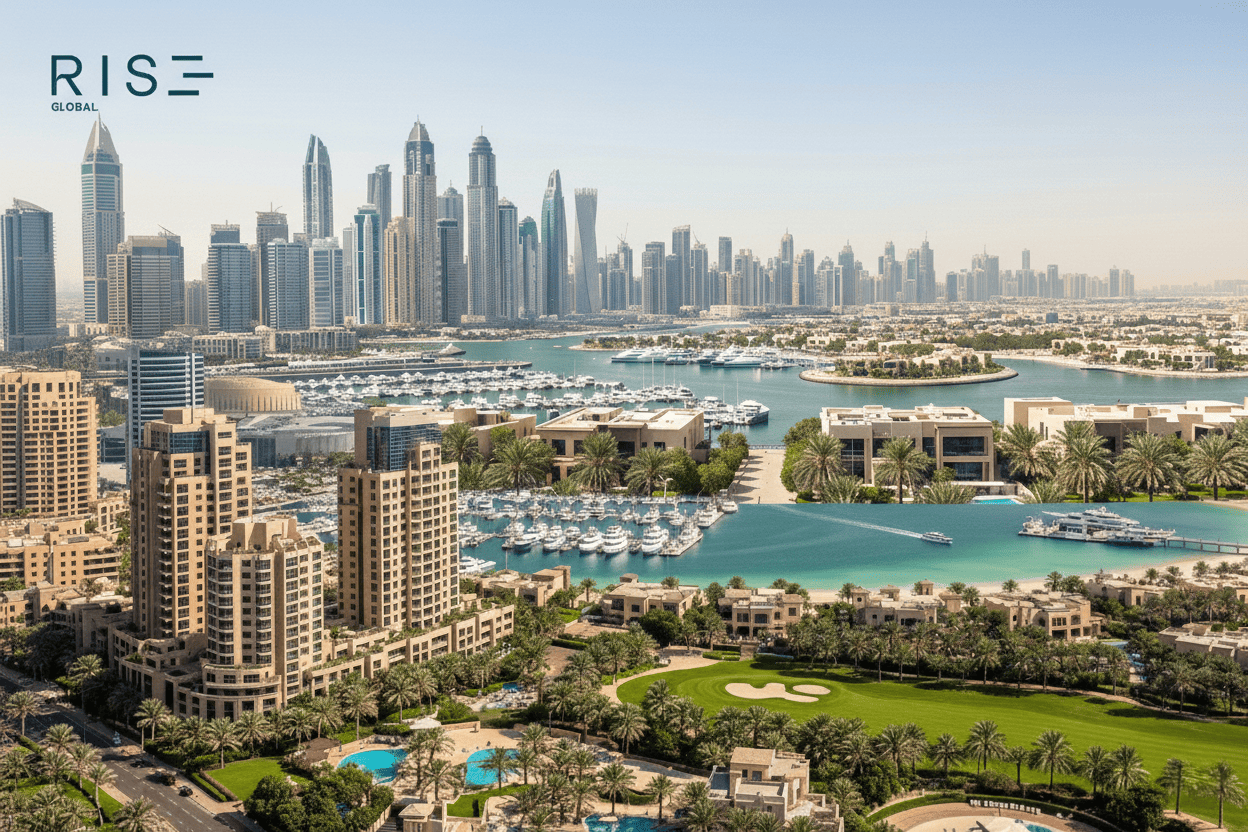
Experience has become one of the most powerful currencies in modern real estate. Across global cities, developers are competing not just on design, scale, or location, but on their ability to create environments people actively want to spend time in. Mixed-use developments are emerging as the primary canvas for this evolution, blending lifestyle, culture, work, and leisure into cohesive destinations. In this landscape, experience is no longer an enhancement - it is a central driver of value.
From Space Utility to Experience Value
In Singapore, Paya Lebar Quarter has redefined what it means to engage urban audiences. Instead of siloed office, retail, or residential blocks, the project integrates public plazas, vibrant food and beverage precincts, wellness spaces, and cultural programming that attract both residents and visitors year-round.
Similarly, Hudson Yards in New York City has become more than a district - it’s a destination. With experiences like The Vessel, immersive public art, concert spaces, and high-end retail integrated into offices and residences, it exemplifies how mixed-use environments are being curated for constant engagement.
Successful developments are increasingly defined by how people interact with them. A project may offer premium finishes and prime positioning, yet struggle if it fails to generate engagement, energy, and a sense of place.
Why Experience Has Become a Strategic Priority
Urban populations are evolving rapidly. Younger professionals, globally mobile residents, and digitally connected consumers increasingly prioritise convenience, flexibility, and emotional connection to place.
Dubai’s City Walk is a pertinent example for the RISE audience. It deliberately blends outdoor retail, public plazas, entertainment, hospitality, and lifestyle brands to create a walkable urban experience - a design that resonates with global investors seeking lifestyle-oriented assets.
People are drawn to destinations that combine work, leisure, and community within integrated environments. Mixed-use developments naturally support this expectation by offering multiple functions in one cohesive ecosystem.
Developers are responding by designing projects around engagement rather than mere occupancy. The emphasis is shifting toward creating memorable, interactive, and lifestyle-oriented spaces.
The Evolution of Mixed-Use Developments
Mixed-use projects are no longer simply combinations of asset classes. They are being designed as experience ecosystems where each component strengthens the others.
A noteworthy case is King’s Cross in London, where former industrial land has been transformed into a vibrant neighbourhood combining offices, residences, hotels, cultural institutions, and civic spaces - all designed to activate the district at different times of day.
Retail benefits from residential footfall. Offices gain vibrancy from hospitality and leisure offerings. Residential units gain appeal from lifestyle amenities and cultural activity.
This integration encourages longer dwell times, higher engagement, and stronger tenant satisfaction. Over time, it contributes to improved asset performance and valuation stability.
Experience as a Driver of Real Estate Performance
Experience-led developments often demonstrate measurable economic advantages. Increased footfall, stronger tenant retention, and enhanced pricing power are common outcomes.
Take Canary Wharf in London, which has shifted from a traditional office park into a multi-dimensional district with public art, waterfront programming, cultural venues, and food markets. This evolution helped diversify income streams and strengthen investor interest, particularly from pension funds and sovereign capital seeking resilient urban assets.
Retail environments designed around leisure and interaction encourage visitors to stay longer. Offices located within vibrant mixed-use districts gain appeal among companies seeking to attract talent. Residential properties benefit from lifestyle differentiation. When a development becomes a destination, demand becomes more resilient.
The Role of Placemaking and Community Design
At the core of experience-driven development lies placemaking — creating spaces that encourage human interaction and community engagement.
La Défense’s Esplanade Nord Redevelopment in Paris is a current example, where public realm enhancements and pedestrian-oriented design are reshaping a traditionally business-centric district into a welcoming, people-focused environment.
Public plazas, pedestrian pathways, green areas, and community spaces create environments that feel alive throughout the day. These features shape how residents and visitors experience the development.
Strong placemaking can transform a project into a recognisable destination. Over time, this identity supports both commercial success and long-term investment value.
Technology Enhancing Real Estate Experiences
Technology is playing a growing role in shaping user engagement. Smart building systems, digital concierge services, and personalised retail experiences are becoming increasingly common.
In Barcelona’s 22@innovation district, digital platforms and sensors are used throughout public spaces to monitor usage patterns, optimise lighting and climate, and deliver real-time information to citizens and businesses - making the district feel both smart and human.
Digital infrastructure allows developments to respond dynamically to user preferences and operational needs. It also provides developers and investors with valuable insights into behaviour patterns.
These capabilities help optimise design, tenant mix, and space utilisation. The result is a more adaptive and responsive real estate environment.
Global Investment Shifts Toward Lifestyle Assets
Institutional investors are paying closer attention to experience-led developments. Assets that combine lifestyle appeal with operational resilience are attracting growing capital interest.
Sovereign wealth funds and global private equity investors have been active in sourcing stakes in premier mixed-use developments in major cities like London, Paris, New York, and Sydney - often citing diversified income streams and destination appeal as key reasons.
Experience-driven mixed-use projects often deliver diversified income streams. Hospitality, retail, leisure, and flexible workspace components contribute to dynamic revenue models.
As cities compete to attract talent and tourism, developments offering compelling experiences are becoming strategic investment targets.
Challenges in Delivering Experience-Led Projects
Designing for experience requires more than architectural creativity. It demands careful planning, tenant curation, and long-term operational strategy.
A challenge for many global developers involves balancing aesthetic ambition with operational realism - especially in markets where retail or hospitality sectors face cyclical pressures.
Developers must balance aesthetics, functionality, and financial performance. Poor execution can lead to underutilised spaces or diluted project identity.
Experience-driven real estate, therefore, relies on continuous management and refinement. It is an ongoing strategy rather than a one-time design decision.
Looking Ahead: Experience as the Future of Urban Development
As urban lifestyles continue to evolve, the demand for engaging, multi-functional environments will grow. Mixed-use developments are likely to remain central to this transformation.
Future projects will increasingly integrate real estate, hospitality, culture, mobility, and digital services into cohesive ecosystems. Value creation will depend on engagement as much as infrastructure.
Experience is no longer a premium feature. It is rapidly becoming a defining factor in long-term real estate competitiveness - a trend that global investors, policymakers, and developers cannot afford to overlook.
FAQs
1. What is experience-driven real estate?
Experience-driven real estate focuses on creating spaces that prioritise user engagement, lifestyle quality, and emotional connection rather than purely functional use.
2. Why are mixed-use developments central to this trend?
Mixed-use developments allow residential, retail, office, and leisure functions to integrate, creating vibrant environments that support continuous activity and richer urban experiences.
3. How does experience-led design influence property value?
Developments offering engaging environments often benefit from stronger tenant demand, higher retention, improved footfall, and long-term valuation stability.
4. What role does technology play in experience-driven projects?
Technology enhances convenience, personalisation, building efficiency, and provides behavioural insights that help developers optimise design and operations.