)
)
Why Urban Investment Is the Future of Property in Dubai?
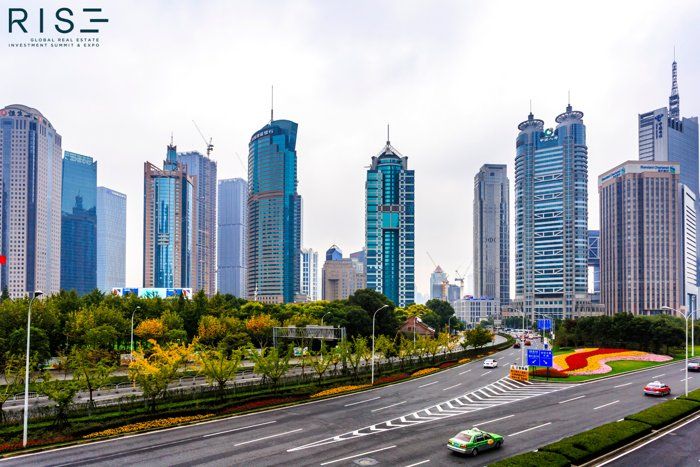
Dubai's property market has always been about luxury towers and waterfront villas. At least, that's what the glossy brochures tell you. The real story playing out in boardrooms and investment funds across the globe is different - it's about urban investment fundamentally reshaping how property wealth gets created in the emirate.
Top Reasons Urban Investment Is Leading Dubai's Property Future
Dubai's Net-Zero 2050 commitment and Dubai 2040 Urban Master Plan
The Dubai 2040 Urban Master Plan isn't just another government document gathering dust. It's actively restructuring, where AED 1.5 trillion in development capital flows over the next two decades. The plan designates five main urban centres connected by green corridors and sustainable transport networks. Property values in these zones have already started climbing.
What makes this different? Every new development must now meet stringent sustainability criteria - solar panels, greywater recycling, district cooling systems. Developers initially balked at the costs. Now they're racing to secure plots in designated urban zones because buyers are willing to pay 15-20% premiums for properties that align with the net-zero vision.
Golden Visas and 100% foreign ownership policies
Remember when foreigners could only lease property for 99 years? That model is dead. The Golden Visa programme, combined with full foreign ownership rights, has triggered something remarkable - sovereign wealth funds and institutional investors now treat Dubai property exactly like London or Singapore assets.
The numbers tell the story. Foreign investment in Dubai real estate jumped 44% in 2023 alone. Golden Visa holders (there are over 100,000 now) don't just buy one property - they average 2.3 properties each, treating real estate as their primary wealth preservation strategy in the region.
Record-breaking property transactions and 5% expected growth in prime real estate
Dubai recorded AED 634 billion in property transactions last year. That's not a typo. The market processed more transactions in twelve months than the previous three years combined. Prime properties in Business Bay and Downtown are appreciating at 5-7% annually, outpacing most global cities.
But here's what the headlines miss - the real action is in the AED 1-3 million segment. These properties turn over in 45 days on average. Cash buyers from India, Russia, and China are driving this, viewing Dubai property as their hedge against currency volatility back home.
High rental yields of 6-8% with no annual property tax
Show me another global city where you can get 8% rental yields with zero property tax. You can't. This isn't theoretical - a two-bedroom apartment in JVC that costs AED 1.2 million routinely rents for AED 95,000 annually. After service charges, you're still netting 6.5%.
The no-tax advantage compounds dramatically. An investor holding five properties saves roughly AED 200,000 annually compared to similar holdings in London or New York. Over a decade, that's AED 2 million in your pocket. It's like getting a free apartment every ten years.
Smart home technology and blockchain property transactions
Dubai Land Department processed its first full blockchain property transaction in 2023. The entire sale - from initial offer to title transfer - took 4 hours. Four hours for what typically takes 30-45 days.
Smart home integration has moved from a luxury add-on to a standard expectation. New developments in Dubai South come with pre-installed IoT systems - your AC learns your schedule, elevators arrive before you call them, and energy consumption drops 30%. Tenants now filter property searches by smart home features. Properties without them sit empty longer.
Over 70% of sales in off-plan properties with flexible payment plans
Off-plan isn't risky in Dubai anymore. Developers learned from 2008. Today's payment plans typically require just 10% down, 40% during construction, and 50% on handover. RERA's escrow account system means your money is protected even if the developer stumbles.
The psychology has shifted completely. Buyers aren't gambling on completion - they're banking on 20-30% appreciation between launch and handover. With projects from Emaar and Damac consistently delivering on time since 2020, that bet is paying off. One investor I spoke with has flipped three off-plan properties in Dubai Hills, netting AED 1.8 million in 18 months.
Key Urban Development Hotspots Driving Housing Investments
Dubai Creek Harbour with future tallest tower and Creek Mall
Dubai Creek Harbour will house 200,000 residents by 2030. The Dubai Creek Tower (yes, taller than Burj Khalifa) isn't even the main attraction. Creek Mall, opening in 2025, spans 9 million square feet - making it larger than Dubai Mall. Property prices here have climbed 35% since groundbreaking.
Smart money is buying the "second ring" properties - not waterfront, but one row back. These cost 40% less but will appreciate nearly as much once the infrastructure is completed. The new Creek Marina alone will berth 800 yachts. Think what that does to surrounding property values.
Mohammed Bin Rashid City and Dubai South emerging districts
MBR City isn't one development - it's 55 square kilometres of coordinated urban planning. The Meydan One Mall, Crystal Lagoon, and District One have already transformed the area. Properties bought here in 2020 have doubled in value.
Dubai South is different. It's about proximity to Al Maktoum International Airport, which will handle 260 million passengers annually by 2030. Properties here aren't for living - they're for renting to the 500,000 airport and logistics workers who'll need housing. Bulk buyers are already acquiring entire buildings.
Al Jaddaf with new freehold ownership rights
Al Jaddaf flew under the radar until freehold ownership opened in 2022. Now? Property transactions jumped 400% in two years. The area sits between Downtown and Festival City - prime location that was previously off-limits to foreign buyers.
What's driving this? Culture. The Jameel Arts Centre and Dubai Culture Village transform this from industrial backwater to creative hub. Artists and designers are buying workshops and converting them to live-work spaces. It's Dubai's version of Brooklyn's DUMBO - ten years ago.
Palm Jumeirah and Dubai Hills Estate luxury developments
Palm Jumeirah doesn't need introduction, but here's what's changing - the fourth phase of villas on the fronds. These aren't your typical Palm properties. We're talking 15,000 square foot plots with private beaches. Prices start at AED 30 million. Russian and Indian billionaires are buying them sight unseen.
Dubai Hills Estate operates differently. It's self-contained - own mall, schools, hospital, golf course. Residents barely leave. This creates extraordinary price stability. While other areas fluctuate 10-15% annually, Dubai Hills varies maybe 3%. Perfect for conservative investors who prioritise wealth preservation over growth.
Jumeirah Village Circle and Dubai Silicon Oasis affordable communities
Forget what you heard about JVC being "too dense." The community has matured brilliantly. Circle Mall opened, the parks are complete, and that AED 650,000 studio apartment now rents for AED 55,000 yearly. That's 8.5% gross yield.
Dubai Silicon Oasis targets a different buyer - tech workers. With 30,000 IT professionals living there, it's become Dubai's unofficial tech hub. Properties near the DSO headquarters command 20% premiums. The upcoming Silicon Park mall will only accelerate this trend.
The Acres and Emaar Beachfront exclusive projects
The Acres sold out in 4 hours. Four hours for 432 villas. Buyers camped outside Emaar's sales office overnight. Why? Stand-alone villas starting at AED 6 million in Dubai are extinct elsewhere. The Acres offers that, plus 50% larger plots than typical communities.
Emaar Beachfront is playing a longer game. This isn't about immediate returns - it's about owning Miami-style beachfront in Dubai Marina. The first residents move in next year. Based on Emaar's track record, early buyers will see 40% appreciation by project completion in 2027.
Why Urban Investment Represents Dubai's Property Future
The old Dubai property playbook - buy a villa on the Palm, wait for oil money to drive prices up - is obsolete. Today's urban investment strategy recognises that Dubai's transformation from regional hub to global city demands different thinking entirely.
The data support this shift decisively. Urban mixed-use developments now account for 73% of all property transactions. These aren't speculative purchases - they're calculated bets on Dubai's evolution into a 5-million-person megacity by 2040. The infrastructure is already under construction. The regulatory framework exists. The capital is flowing.
What really seals Dubai's urban future? Demographics. The average property buyer is now 34 years old, not 48. These younger investors don't want isolated villas in the desert. They want walkable neighbourhoods and integrated communities, and sustainable buildings. They're driving the market toward exactly what the 2040 Urban Master Plan envisions.
For serious property investors, the message is clear. Stop thinking of Dubai as a luxury playground. Start seeing it as an emerging global metropolis where property investment in Dubai follows urban development patterns similar to Singapore or Hong Kong twenty years ago. The window to position yourself in this transformation won't stay open forever.
FAQs
What makes urban investment in Dubai different from other property markets?
Dubai's urban investment model combines zero property tax with 6-8% rental yields - a combination that doesn't exist in London, New York, or Singapore. Add blockchain property transactions, Golden Visa benefits, and a government actively driving urbanisation through the 2040 Master Plan, and you have a completely unique investment environment.
How does the Dubai 2040 Urban Master Plan impact property investment?The plan designates five urban centres for concentrated development, meaning property outside these zones may appreciate more slowly. However, properties within designated areas are seeing accelerated infrastructure investment and could appreciate 40-60% by 2030. Smart investors are buying in these zones now, before prices fully reflect the planned development.
Which areas offer the best ROI for urban development investments?For immediate rental yields, JVC and Dubai Silicon Oasis deliver 7-8.5%. For medium-term appreciation, Dubai Creek Harbour and MBR City offer 30-40% potential over 3-5 years. For long-term wealth preservation, Dubai Hills Estate provides stability with 3-5% annual growth.
What are the benefits of off-plan property investment in Dubai?Off-plan properties typically cost 20-30% less than ready properties, with flexible payment plans requiring just 10% down. RERA's escrow system protects your investment, and handover usually occurs within 2-3 years. With developers like Emaar and Damac maintaining strong delivery records, buyers often see 20-30% appreciation between purchase and completion.
)